

The CEO is often the bottleneck.
Especially when they are helping.

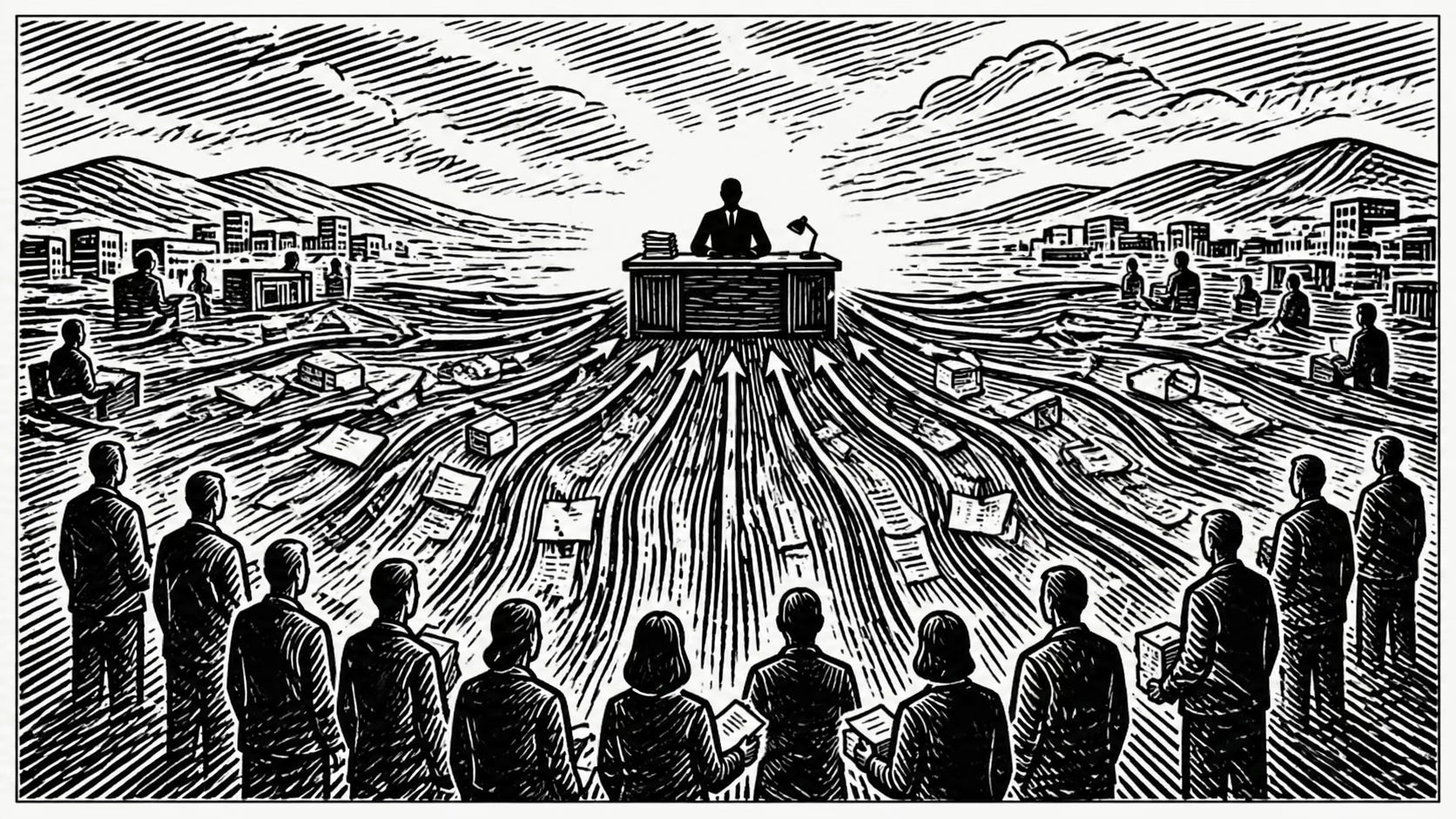
The most dangerous CEO behaviour rarely looks like control.
It looks like support.
A founder steps in to save a difficult customer.
They rewrite the board pack at midnight.
They rescue the sales call.
They smooth over tension between two senior leaders.
They make the hard decision because everyone else is circling it.
And for a while, it works.
Revenue moves.
Investors relax.
The team feels protected.
The CEO feels useful.
Then the hidden cost arrives.
→ The team stops building judgement
→ Senior leaders learn escalation faster than ownership
→ Problems travel upwards instead of across
→ The CEO becomes the quality control layer
→ Speed depends on one nervous system
This is the part no one admits publicly.
Many CEOs are not overworked because the business needs them everywhere.
They are overworked because the business has been trained to wait for them.
I have seen this pattern inside small founder led companies and large complex organisations.
The scale changes.
The behaviour does not.
The CEO thinks they are protecting the business from mistakes.
They are often protecting the team from the reps that would build capability.
The shift is uncomfortable.
Because the next stage of leadership is not doing harder work.
It is letting other people carry harder consequences.
That means:
→ Letting the commercial lead own the messy customer conversation
→ Letting the COO defend the operating plan without rescue
→ Letting the leadership team sit in unresolved tension long enough to solve it
→ Letting a decision be 80 percent yours, not 100 percent the CEO’s
This is not abdication.
It is capacity building.
A business does not scale because the CEO works harder.
It scales when the people around the CEO stop needing permission to think.
The uncomfortable truth:
If every important decision still needs the CEO’s fingerprints, the company has not built a leadership team.
It has built a queue.
And the CEO is standing at the front, wondering why everyone keeps waiting.